Luxman is a leading manufacturer of aluminum telescopic flagpoles, offering durable, lightweight solutions ideal for various applications, from residential to industrial use, while enhancing aesthetic appeal.

1. Introduction
- Definition: A lightweight, height-adjustable flagpole constructed from aluminum alloys, featuring nested telescoping sections for easy assembly, transport, and height modification.
- Core Advantages: Combines aluminum’s corrosion resistance and strength-to-weight ratio with the convenience of telescopic design, eliminating the need for permanent installation or heavy lifting.
- Market Context: Growing demand in residential, commercial, and outdoor event sectors due to portability, durability, and aesthetic versatility compared to traditional steel or fiberglass flagpoles. Height variability—ranging from compact 4-meter models to industrial 60-meter structures—further expands their utility across diverse environments.
2. Material Science: Why Aluminum?
Aluminum’s dominance in telescopic flagpole construction stems from its unique properties:
- Corrosion Resistance: Naturally forms a protective oxide layer, making it ideal for outdoor use in humid, coastal, or industrial environments. Marine-grade aluminum (e.g., 6061-T6 alloy) offers enhanced resistance to saltwater and harsh weather.
- Strength-to-Weight Ratio: Aluminum alloys provide sufficient tensile strength (typically 30,000–45,000 psi) while remaining lightweight—an 20-foot aluminum flagpole weighs ~15–25 lbs, compared to ~40–60 lbs for steel.
- Malleability: Easy to extrude into precise telescoping sections with uniform wall thickness (usually 0.06–0.12 inches), ensuring smooth extension/retraction without jamming.
- Aesthetic Flexibility: Accepts powder coating, anodizing, or painting for customizable finishes (silver, bronze, white, or custom colors) that resist fading and chipping.
3. Telescopic Mechanism Design

The telescopic system relies on precision engineering to balance stability and adjustability:
- Section Configuration: Most models feature 3–5 nested sections, with diameters decreasing by ~0.5–1 inch per section (e.g., 4-inch base → 3-inch middle → 2-inch top).
- Locking Mechanisms:
- Twist-Lock: Rotating sections engage threaded collars or O-ring gaskets to create friction; common in mid-range residential models.
- Pin-Lock: Spring-loaded pins insert into pre-drilled holes for secure height locking; preferred for commercial applications requiring higher wind resistance.
- Cam-Lock: Lever-actuated cams clamp sections together, offering quick adjustment and strong hold in high winds (up to 70–90 mph with proper installation).
- Internal Components: Reinforced end caps prevent water intrusion, while nylon or Teflon bushings reduce friction between moving parts, extending lifespan.

4. Installation and Foundation Options
Installation varies by use case, balancing portability and stability:
- Portable Bases:
- Water/Sand-Filled: Plastic or metal bases (20–50 gallon capacity) provide temporary stability for events; weighs ~170–425 lbs when filled.
- Spike Base: Ground spikes for soft surfaces (grass, soil) in camping or outdoor ceremonies.
- Permanent Foundations:
- Concrete Sleeve: 12–18 inch diameter, 24–36 inch deep concrete footing with a PVC sleeve to anchor the base section, ideal for coastal areas with high winds.
- Ground Sleeve: Removable steel sleeve allows seasonal storage while maintaining a permanent anchor point.
- Wind Rating Considerations: Installers must match pole height to local wind loads (e.g., a 25-foot pole with 3×5 ft flag requires a minimum 12-inch diameter concrete base in 60 mph wind zones).
5. Applications Across Industries
Aluminum telescopic flagpoles serve diverse needs, with height directly correlating to use case:
Height-Specific Applications
- Compact Spaces (4–6 meters / 13–20 feet): Ideal for small residential yards, garden borders, or patio displays. These poles balance visibility with unobtrusiveness, often paired with decorative flags or seasonal banners. Their lightweight design allows for easy relocation when landscaping or hosting outdoor gatherings.
- Medium Areas (6–12 meters / 20–39 feet): Suited for residential driveways, community parks, or small commercial lots. They provide sufficient height for branding (e.g., local business logos) or marking property boundaries without overwhelming the landscape. Some models in this range integrate lighting mounts for dual-purpose functionality (flag display + ambient lighting).
- Large Open Spaces (12–25 meters / 39–82 feet): Deployed in sports fields, university campuses, or corporate headquarters. These poles accommodate larger flags (4×6 ft or 5×8 ft) and often feature multiple crossarms for displaying multiple flags (e.g., national, state, and organizational flags). Their robust construction withstands higher wind loads, making them suitable for exposed locations.
- Industrial/High-Visibility (30–60+ meters / 98–197+ feet): Reserved for stadiums, airports, or major commercial hubs, these specialized poles require reinforced foundations and industrial-grade locking mechanisms. They often serve dual purposes, supporting large flags, lighting arrays, or even surveillance equipment. For example, a 40-meter pole at a stadium might display team colors while housing floodlights for nighttime events.
Transportation and Urban Planning
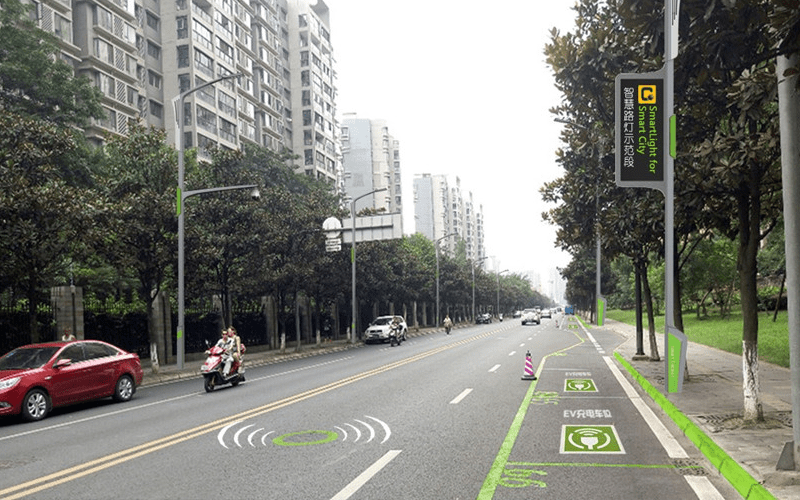
- Residential Streets & Low-Speed Roads (5–8 meters / 16–26 feet): Used in neighborhoods or narrow lanes where low-profile lighting or signage is needed. These poles may integrate flag displays with street name signs or pedestrian crossing markers.
- Urban Roads & Arterial Streets (7–12 meters / 23–39 feet): Deployed along city thoroughfares or commercial districts to balance visibility with urban aesthetics. They support larger flags or banners promoting local events, while their height ensures visibility from moving vehicles.
- Highways & Major Corridors (12–14+ meters / 39–46+ feet): Installed in high-speed roadways or wide boulevards where long-distance visibility is critical. These poles often feature reflective coatings and heavy-duty bases to withstand highway vibrations and severe weather.
6. Maintenance and Longevity
Proper care ensures 10–15 years of service:
- Regular Inspection: Check locking mechanisms for wear, tighten loose components, and clean debris from section joints seasonally.
- Cleaning: Rinse with mild soap and water; avoid abrasive cleaners that damage finishes. Lubricate locking pins/cams annually with silicone spray.
- Winter Storage: Disassemble and store sections indoors in cold climates to prevent freeze-thaw damage; drain water from portable bases to avoid cracking.
- Replacement Parts: Manufacturers typically offer replacement locks, bushings, or sections, reducing total cost of ownership compared to replacing the entire pole.
7. Key Specifications for Buyers
When selecting a pole, prioritize these factors:
| Factor | Residential (15–20 ft) | Commercial (20–30 ft) |
|---|---|---|
| Alloy Grade | 6005-T5 (standard) | 6061-T6 (marine-grade) |
| Wall Thickness | 0.06–0.08 inches | 0.09–0.12 inches |
| Wind Rating | 50–60 mph (with flag) | 70–90 mph (with flag) |
| Locking Type | Twist-lock or pin-lock | Cam-lock or heavy-duty pin-lock |
| Base Weight | 20–30 lbs (portable) | 50+ lbs (concrete-anchored) |
Conclusion
Aluminum telescopic flagpoles blend material innovation, mechanical precision, and practical design to meet modern demands for flexibility, durability, and aesthetics. From a 4-meter garden pole to a 60-meter stadium structure, their adaptability ensures they remain a staple in outdoor display technology. As cities and businesses seek multifunctional infrastructure, these poles will likely evolve further—perhaps integrating 5G antennas or weather sensors—proving that even the simplest structures can adapt to complex needs. How might future urban planners leverage these poles to create smarter, more connected public spaces?