Core Modules of a EV Battery Pack Assembly Line
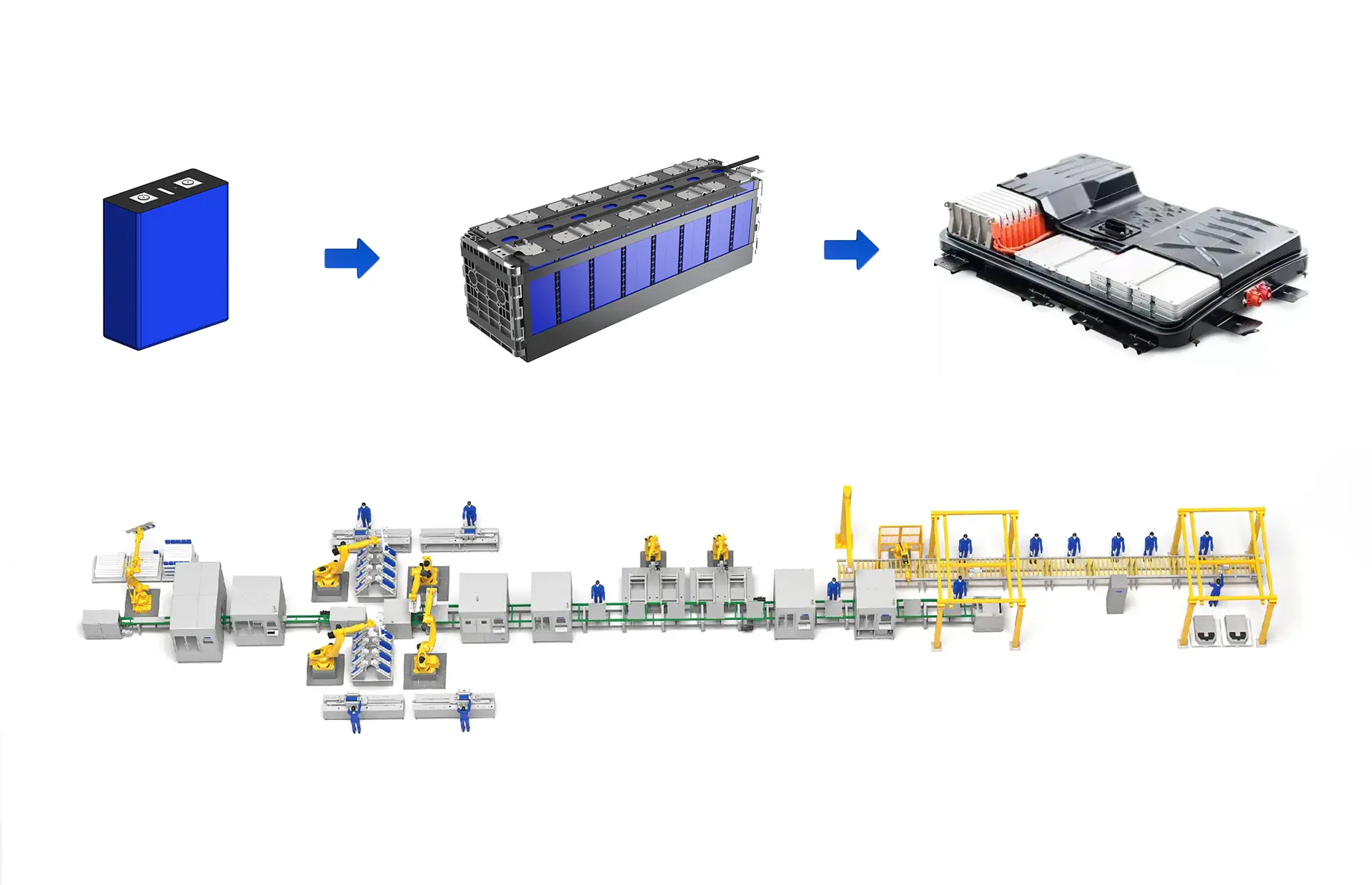
A typical battery pack assembly line mainly consists of three core modules: Module Assembly, System Integration (PACK Assembly), and Final Testing (EOL). The entire flow can be summarized as follows:
Cell Preprocessing and Testing
This is the starting point for quality control. Incoming battery cells must undergo rigorous “health checks,” including open-circuit voltage (OCV) testing, internal resistance testing, and appearance inspection to ensure basic health. Qualified cells are then precisely sorted and matched based on parameters such as voltage, capacity, and internal resistance to ensure high consistency in performance within the assembled modules.
Module Assembly
This is the step that constructs the “basic unit” of the battery pack. Sorted cells are accurately grabbed by robots and stacked according to design (e.g., rectangular, honeycomb) before being secured. The next step is the critical electrical connection, typically using laser welding technology to firmly connect the cell tabs to the busbar (copper/aluminum bar). This process has very high requirements for welding quality and heat control. After module assembly, preliminary insulation and voltage tests are conducted.
PACK Integration
This stage integrates multiple modules into a complete battery pack. Key processes include:
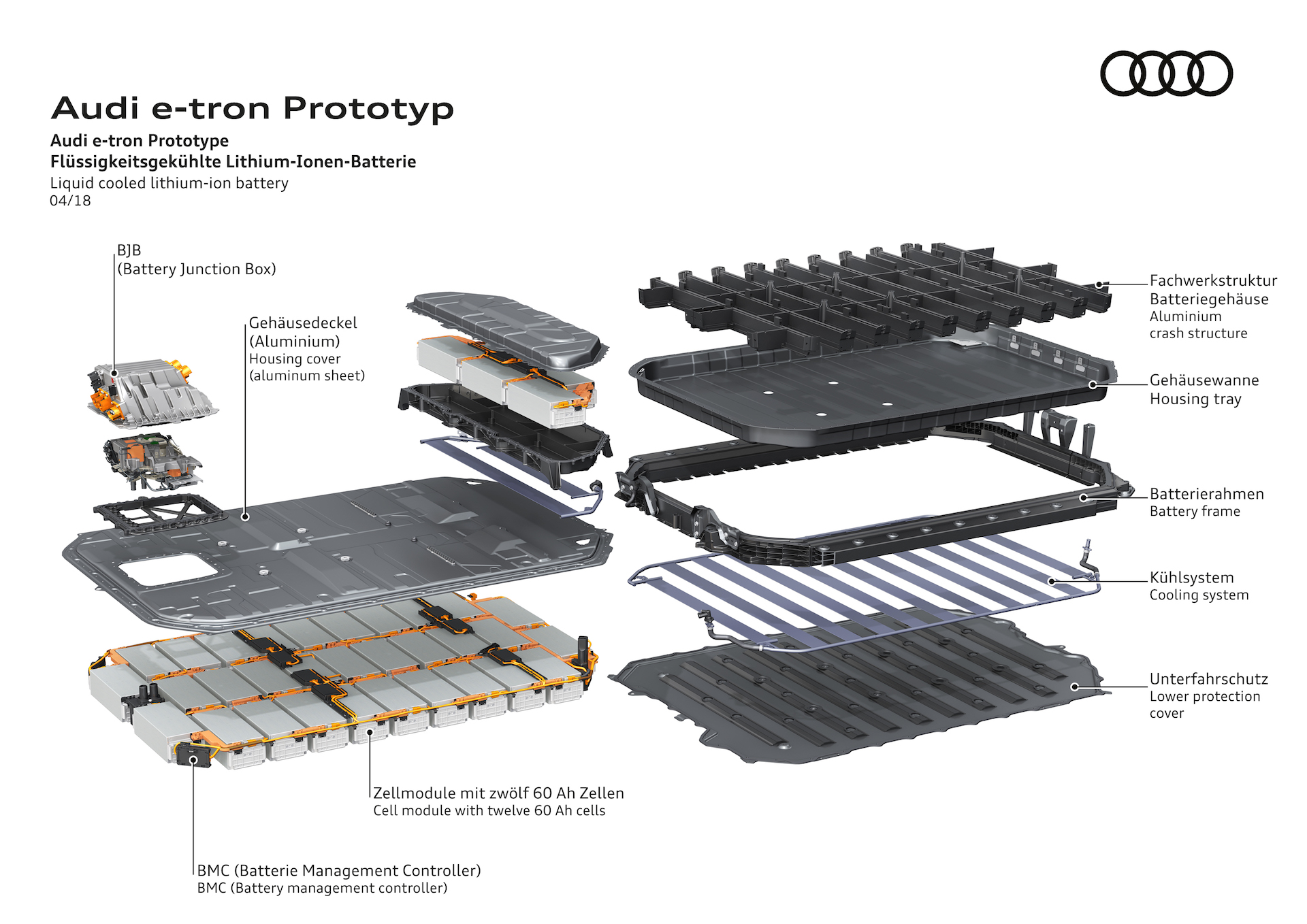
- Box Preparation: Cleaning the PACK lower box and installing the liquid cooling plate, followed by a leak test.
- Module Insertion: Placing modules into the box and securing them.
- Electrical System Integration: Installing busbars, fuses, Battery Management System (BMS), high-voltage wiring harnesses, and various low-voltage connectors. The BMS serves as the “brain” of the battery pack, responsible for monitoring and managing the battery status.
- Sealing and Closing: After applying sealing glue to the upper cover, it is closed and screws are tightened. The sealing process directly determines the protection level of the battery pack (e.g., IP67).
Final Testing and Off-line (EOL)
This is the “final checkpoint” before the product leaves the factory. The battery pack must undergo a series of comprehensive validations:
- Air Tightness Testing: Checking the sealing integrity of the battery pack shell to prevent leaks.
- Electrical Performance Testing: Including insulation voltage testing, capacity testing, internal resistance testing, etc.
- Function Testing: Verifying BMS communication, SOC calibration, and protection functions.
- Aging Testing: Simulating charge and discharge cycles to activate cells, calibrate statuses, and screen for potential defects.
- All test data are linked to the unique code of the battery pack, enabling quality traceability throughout its lifecycle.
Key Equipment and Automation Logistics
- Core Process Equipment: Including automatic cell feeding robots, OCV testing equipment, plasma cleaners, laser welders (brands such as Comwin), glue dispensing systems, various tightening tools, and EOL testing equipment.
- Automated Logistics: Mainstream production lines adopt two logistic methods: High-speed Chain/Drum Line + Pallet mode, where tooling plates carry the battery pack along the line; and AGV (Automated Guided Vehicle) + Assembly Cart mode, offering higher flexibility. The production line is usually deeply integrated with a Manufacturing Execution System (MES) to achieve comprehensive data monitoring and traceability.
Industry Trends and Selection Considerations
 Battery-Cell to Pack
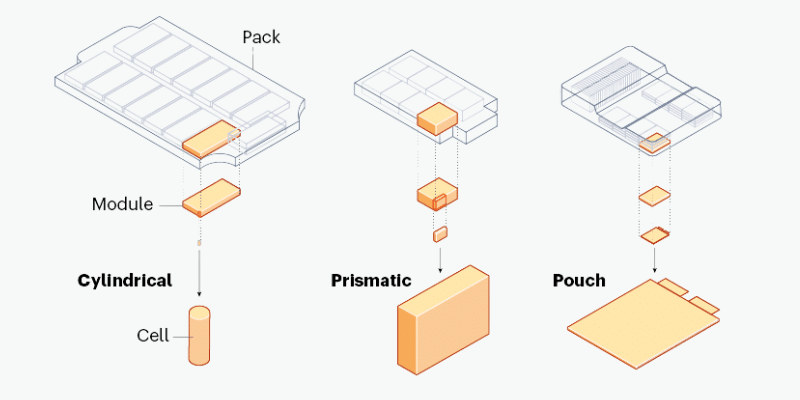
Currently, power battery pack technology is evolving toward modular and integrated directions such as CTP (Cell to Pack) and CTC (Cell to Chassis). When selecting an assembly line, companies need to comprehensively consider product types (rectangular, cylindrical, pouch), production capacity planning, the reliability of core process equipment (like welding and testing), the industry experience of integrators, and the scalability and long-term maintenance costs of the production line, balancing technological foresight, investment, and production efficiency.