
solar street light 3, 5, 7 rainy days backup
Solar Street Light Systems and Rainy Day Backup
solar street light 3 rainy days backup
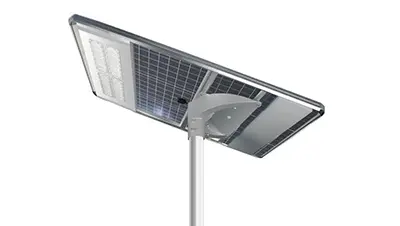
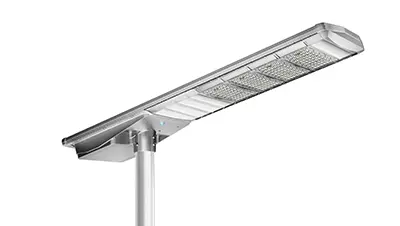
solar street light 5 rainy days backup
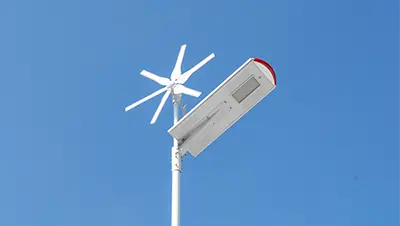
ÉCLAIRAGE PUBLIC HYBRIDE SOLAIRE-ÉOLIEN – Série INF
Énergie éolienne et solaire
Fonctionnement 5 ~ 7 jours de pluie
Télécommande
ÉCLAIRAGE SOLAIRE SCULPTÉ – SÉRIE G2
Efficacité jusqu'à 165lm/w
Autonomie maximale 5 à 7 jours de pluie
IP66 étanche
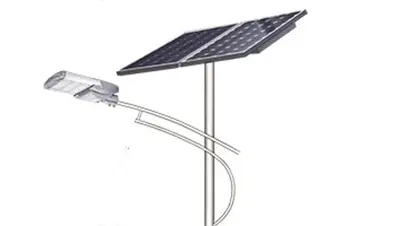
Lampadaire solaire à LED pour extérieur – Série S2
Capteurs du crépuscule à l'aube
Autonomie maximale 5 à 7 jours de pluie
Mode de détection PIR
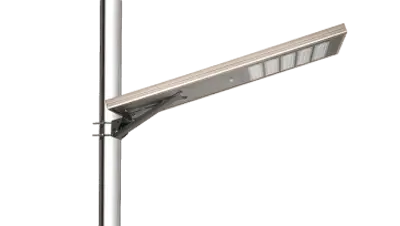
solar street light 7 rainy days backup
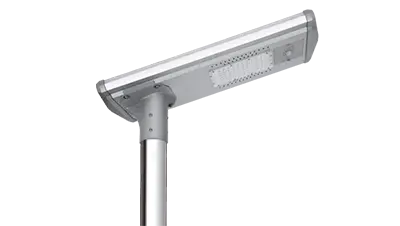
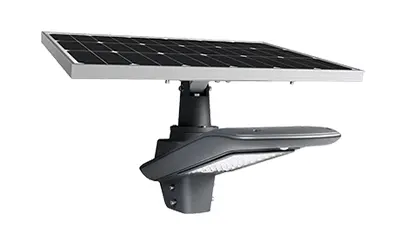
A solar street light is an independent lighting system that utilizes solar energy as its power source. Its core working principle is: during the day, solar panels convert light energy into electrical energy and charge the battery through a controller; at night or when lighting is insufficient, the battery supplies power to the LED street light via the controller. Therefore, the battery’s capacity directly determines the duration the system can provide continuous illumination without sunlight (such as during continuous rainy days), which is known as the “backup days”.
To cope with rainy weather, systems are generally designed to reserve at least 3 days of power consumption. Common backup day specifications available on the market include 3 days, 5 days, and 7 days, to meet the climatic conditions and reliability requirements of different regions.
Three Typical Configurations and Application Scenario References
Based on case studies and search results, we can deduce the configuration concepts and application scenarios corresponding to different backup days:
| Backup Days Requirement | Possible Application Scenarios | Brief Configuration Features (Deduced from early cases) |
|---|---|---|
| 3-Day Backup | Courtyards, residential walkways, park landscape lighting | Relatively economical configuration. For example, a ~50Wp solar panel paired with a ~100Ah battery can drive low-power DC energy-saving lamps or LEDs. |
| 5-Day Backup | Standard road lighting, public squares, areas requiring higher reliability | More robust configuration. Requires larger power solar panels (e.g., 110Wp or higher) and greater capacity batteries (e.g., 200Ah) to support brighter light sources (like high-efficiency energy-saving lamps or LEDs) operating normally during rainy weather. |
| 7-Day Backup | Main roads in extremely rainy regions, major traffic routes, areas with extremely high safety requirements | High-reliability configuration. Requires high-power solar panels and large-capacity battery packs to ensure continuous lighting even in extreme weather. A split-type (General) design is likely used to accommodate larger capacity batteries. |
Product Type Selection
There are three mainstream structures for solar street lights, which correlate with the flexibility of the system configuration:
- Split-type (General) street lights: The solar panel, battery, and lamp head are installed separately. The battery capacity is usually larger, making it easier to achieve higher backup days. It is more suitable for places that require high brightness and high reliability, such as main roads.
- Two-in-one street lights: The battery and controller are integrated into the lamp head, while the solar panel remains separate. The structure is relatively compact.
- All-in-one (Integrated) street lights: The solar panel, battery, and controller are all integrated into the lamp head. They are easy to install, but due to volume constraints, the battery capacity and power are generally smaller. They are better suited for areas with lower lighting requirements, such as courtyards and backyards.
In summary, “3, 5, 7 rainy days backup” is a vital performance grading indicator for solar street light products. When making a selection, it is necessary to weigh and determine the required backup days based on the climate conditions of the installation site (average annual sunshine days, probability of continuous rainy weather), the importance of the lighting location, and the budget. Based on these factors, you can then choose the matching solar panel power, battery capacity, and product type.