Aluminum Telescopic Flagpole

Aluminum Telescopic Flagpole: A Comprehensive Guide to Design, Applications, and Selection

Luxman is a leading manufacturer of aluminum telescopic flagpoles, offering durable, lightweight solutions ideal for various applications, from residential to industrial use, while enhancing aesthetic appeal.
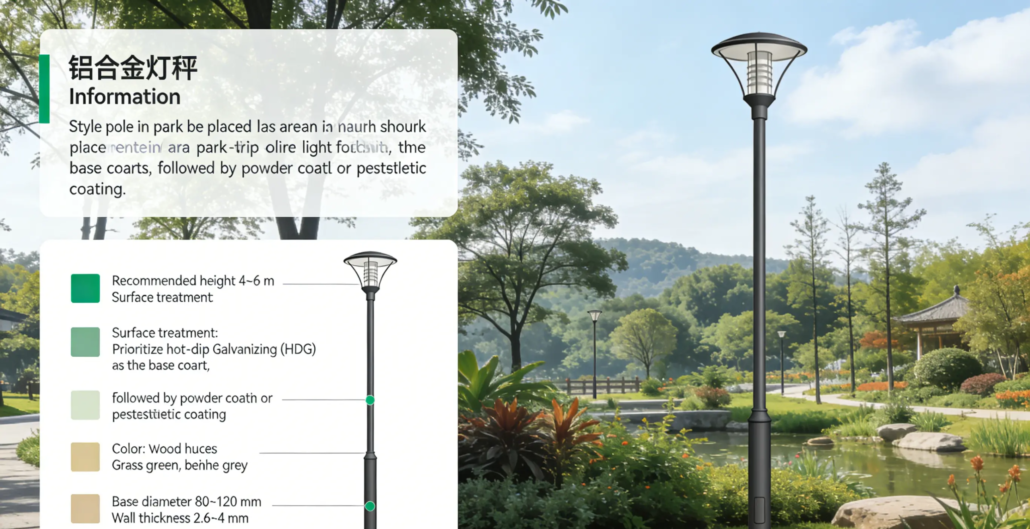
Aluminum Telescopic Flagpole

https://luxmanlight.com/aluminum-flag-pole/

1. Introduction

  • Definition: A lightweight, height-adjustable flagpole constructed from aluminum alloys, featuring nested telescoping sections for easy assembly, transport, and height modification.
  • Core Advantages: Combines aluminum’s corrosion resistance and strength-to-weight ratio with the convenience of telescopic design, eliminating the need for permanent installation or heavy lifting.
  • Market Context: Growing demand in residential, commercial, and outdoor event sectors due to portability, durability, and aesthetic versatility compared to traditional steel or fiberglass flagpoles. Height variability—ranging from compact 4-meter models to industrial 60-meter structures—further expands their utility across diverse environments.

2. Material Science: Why Aluminum?

Aluminum’s dominance in telescopic flagpole construction stems from its unique properties:

  • Corrosion Resistance: Naturally forms a protective oxide layer, making it ideal for outdoor use in humid, coastal, or industrial environments. Marine-grade aluminum (e.g., 6061-T6 alloy) offers enhanced resistance to saltwater and harsh weather.
  • Strength-to-Weight Ratio: Aluminum alloys provide sufficient tensile strength (typically 30,000–45,000 psi) while remaining lightweight—an 20-foot aluminum flagpole weighs ~15–25 lbs, compared to ~40–60 lbs for steel.
  • Malleability: Easy to extrude into precise telescoping sections with uniform wall thickness (usually 0.06–0.12 inches), ensuring smooth extension/retraction without jamming.
  • Aesthetic Flexibility: Accepts powder coating, anodizing, or painting for customizable finishes (silver, bronze, white, or custom colors) that resist fading and chipping.

3. Telescopic Mechanism Design

Aluminum Telescopic Flagpole

https://luxmanlight.com/aluminum-flag-pole/

The telescopic system relies on precision engineering to balance stability and adjustability:

  • Section Configuration: Most models feature 3–5 nested sections, with diameters decreasing by ~0.5–1 inch per section (e.g., 4-inch base → 3-inch middle → 2-inch top).
  • Locking Mechanisms:
    • Twist-Lock: Rotating sections engage threaded collars or O-ring gaskets to create friction; common in mid-range residential models.
    • Pin-Lock: Spring-loaded pins insert into pre-drilled holes for secure height locking; preferred for commercial applications requiring higher wind resistance.
    • Cam-Lock: Lever-actuated cams clamp sections together, offering quick adjustment and strong hold in high winds (up to 70–90 mph with proper installation).
  • Internal Components: Reinforced end caps prevent water intrusion, while nylon or Teflon bushings reduce friction between moving parts, extending lifespan.
Aluminum Telescopic Flagpole

https://luxmanlight.com/aluminum-flag-pole/

4. Installation and Foundation Options

Installation varies by use case, balancing portability and stability:

  • Portable Bases:
    • Water/Sand-Filled: Plastic or metal bases (20–50 gallon capacity) provide temporary stability for events; weighs ~170–425 lbs when filled.
    • Spike Base: Ground spikes for soft surfaces (grass, soil) in camping or outdoor ceremonies.
  • Permanent Foundations:
    • Concrete Sleeve: 12–18 inch diameter, 24–36 inch deep concrete footing with a PVC sleeve to anchor the base section, ideal for coastal areas with high winds.
    • Ground Sleeve: Removable steel sleeve allows seasonal storage while maintaining a permanent anchor point.
  • Wind Rating Considerations: Installers must match pole height to local wind loads (e.g., a 25-foot pole with 3×5 ft flag requires a minimum 12-inch diameter concrete base in 60 mph wind zones).

5. Applications Across Industries

Aluminum telescopic flagpoles serve diverse needs, with height directly correlating to use case:

Height-Specific Applications

  • Compact Spaces (4–6 meters / 13–20 feet): Ideal for small residential yards, garden borders, or patio displays. These poles balance visibility with unobtrusiveness, often paired with decorative flags or seasonal banners. Their lightweight design allows for easy relocation when landscaping or hosting outdoor gatherings.
  • Medium Areas (6–12 meters / 20–39 feet): Suited for residential driveways, community parks, or small commercial lots. They provide sufficient height for branding (e.g., local business logos) or marking property boundaries without overwhelming the landscape. Some models in this range integrate lighting mounts for dual-purpose functionality (flag display + ambient lighting).
  • Large Open Spaces (12–25 meters / 39–82 feet): Deployed in sports fields, university campuses, or corporate headquarters. These poles accommodate larger flags (4×6 ft or 5×8 ft) and often feature multiple crossarms for displaying multiple flags (e.g., national, state, and organizational flags). Their robust construction withstands higher wind loads, making them suitable for exposed locations.
  • Industrial/High-Visibility (30–60+ meters / 98–197+ feet): Reserved for stadiums, airports, or major commercial hubs, these specialized poles require reinforced foundations and industrial-grade locking mechanisms. They often serve dual purposes, supporting large flags, lighting arrays, or even surveillance equipment. For example, a 40-meter pole at a stadium might display team colors while housing floodlights for nighttime events.

Transportation and Urban Planning

  • Residential Streets & Low-Speed Roads (5–8 meters / 16–26 feet): Used in neighborhoods or narrow lanes where low-profile lighting or signage is needed. These poles may integrate flag displays with street name signs or pedestrian crossing markers.
  • Urban Roads & Arterial Streets (7–12 meters / 23–39 feet): Deployed along city thoroughfares or commercial districts to balance visibility with urban aesthetics. They support larger flags or banners promoting local events, while their height ensures visibility from moving vehicles.
  • Highways & Major Corridors (12–14+ meters / 39–46+ feet): Installed in high-speed roadways or wide boulevards where long-distance visibility is critical. These poles often feature reflective coatings and heavy-duty bases to withstand highway vibrations and severe weather.

6. Maintenance and Longevity

Proper care ensures 10–15 years of service:

  • Regular Inspection: Check locking mechanisms for wear, tighten loose components, and clean debris from section joints seasonally.
  • Cleaning: Rinse with mild soap and water; avoid abrasive cleaners that damage finishes. Lubricate locking pins/cams annually with silicone spray.
  • Winter Storage: Disassemble and store sections indoors in cold climates to prevent freeze-thaw damage; drain water from portable bases to avoid cracking.
  • Replacement Parts: Manufacturers typically offer replacement locks, bushings, or sections, reducing total cost of ownership compared to replacing the entire pole.

7. Key Specifications for Buyers

When selecting a pole, prioritize these factors:

FactorResidential (15–20 ft)Commercial (20–30 ft)
Alloy Grade6005-T5 (standard)6061-T6 (marine-grade)
Wall Thickness0.06–0.08 inches0.09–0.12 inches
Wind Rating50–60 mph (with flag)70–90 mph (with flag)
Locking TypeTwist-lock or pin-lockCam-lock or heavy-duty pin-lock
Base Weight20–30 lbs (portable)50+ lbs (concrete-anchored)

Conclusion

Aluminum telescopic flagpoles blend material innovation, mechanical precision, and practical design to meet modern demands for flexibility, durability, and aesthetics. From a 4-meter garden pole to a 60-meter stadium structure, their adaptability ensures they remain a staple in outdoor display technology. As cities and businesses seek multifunctional infrastructure, these poles will likely evolve further—perhaps integrating 5G antennas or weather sensors—proving that even the simplest structures can adapt to complex needs. How might future urban planners leverage these poles to create smarter, more connected public spaces?

solar battery energy storage system

Industrial Energy Storage Meets Automated Solar Panel Cleaning Systems

Driven by the global energy structure transformation and the “dual-carbon” goals, industrial energy storage technology is evolving from a simple energy storage tool to a core node in the smart manufacturing system. The accompanying fully Automated Solar Panel Cleaning Systems, with its intelligent operation and maintenance capabilities, is becoming a key breakthrough in improving the efficiency and extending the lifespan of energy storage equipment. The following analysis explores this from the dimensions of technological innovation and commercial value.

rade-fully-automated-cleaning-system

1. Five Cutting-Edge Application Scenarios for Industrial Energy Storage

1.1 Smart Grid Peak Shaving

In 2024, a Chinese steel group deployed a 200MW/800MWh iron-chromium flow battery energy storage system, which responds to grid load fluctuations in real-time, saving over 120 million yuan in electricity costs annually. The accompanying drone inspection system reduced fault response time from 6 hours to 15 minutes.

1.2 Microgrid Energy Management

A Southeast Asian rubber industrial park adopted a “photovoltaic + sodium-ion battery” microgrid, combined with AI power prediction algorithms, enabling 24-hour continuous production. The fully automated cleaning robot removes dust from photovoltaic panels daily, increasing power generation efficiency by 18%.

1.3 Heavy Industry Energy Saving Transformation

A German automotive factory integrated a supercapacitor energy storage system to recover braking energy in the stamping workshop. Combined with a laser cleaning device that continuously removes the oxide layer on the capacitor surface, the energy conversion efficiency remains stable at over 92%.

1.4 Data Center Emergency Systems

Microsoft’s Azure data center adopted an immersion liquid-cooled energy storage module, paired with pipeline self-cleaning technology, ensuring 99.999% power supply reliability during the 2024 typhoon season, while reducing single-rack maintenance costs by 40%.

1.5 Distributed Energy Systems

Japan’s 7-Eleven convenience store network deployed modular zinc-air energy storage units, which maintain 85% charge-discharge efficiency in humid environments through cloud-controlled nano-coating cleaning technology.


2. Four Core Advantages of the Fully Automated Solar Panel Cleaning Systems

2.1 Efficiency Revolution

  • Ultrasonic dust removal devices can increase lithium battery cooling efficiency by 30%.
  • Wall-climbing robots enable 360° non-destructive cleaning of flow battery pipelines.
  • Machine vision recognition systems accurately locate electrolyte crystallization areas.

2.2 Cost Control

Traditional ModeAutomated Cleaning System
Manual inspection: ¥1200 per sessionSingle cleaning cost: ¥80
Annual downtime loss: ¥860,000Failure rate reduced by 72%

2.3 Safety Upgrade

Millimeter-wave radar monitors dust concentration inside energy storage cabinets in real-time, combined with negative pressure adsorption technology, reducing the risk of thermal runaway to 0.03 incidents per 10,000 hours, far exceeding national standards.

2.4 Intelligent Operation and Maintenance

  • Blockchain technology records each cleaning parameter.
  • Digital twin systems simulate cleaning cycles under different climate conditions.
  • Self-learning algorithms optimize cleaning agent ratios.

3. Technological Synergy Creates Incremental Value

When industrial energy storage meets fully automated cleaning, it is driving three major business model innovations:

  1. Energy Storage as a Service (EaaS): A complete solution lease including cleaning and maintenance.
  2. Carbon Asset Appreciation: The energy efficiency improvements contributed by the cleaning system can be converted into CCER carbon credits.
  3. Equipment Health Bank: A residual value assessment system based on cleaning data.

Recommended Products – Todos Automatic Solar Panel Cleaning Robot

1. Automatic Solar Panel Cleaning system

  • Cleaning times: once a day;
  • Cleaning effect: more than 98%;
  • Cleaning method: dry sweep, No need for water. The water sweeping function needs to be customized.

It is very suitable for large power station maintenance, especially for large power generation in deserts, cities, and high pollution areas.

Fully Automatic Solar Cleaning Robot

2. Remote Control Solar Panel Cleaning Robots

  • Cleaning method: water washing, dry cleaning;
  • Cleaning effect: more than 98%;
  • Operation mode: semi-automatic;

This is the most commonly used style of cleaning company, easy to transport and carry.

Solar Panel Cleaning Robots


LUXMAN - Best selling all in one solar street light

Best Selling Solar Street Light in China

With the gradual improvement of people’s awareness of energy conservation and environmental protection, more and more people are ready to install solar street light instead of conventional LED Street Light. Among the numerous solar lamps, LUXMAN LIGHT’s S3 series integrated solar street lamps are one of the best selling solar street lights.
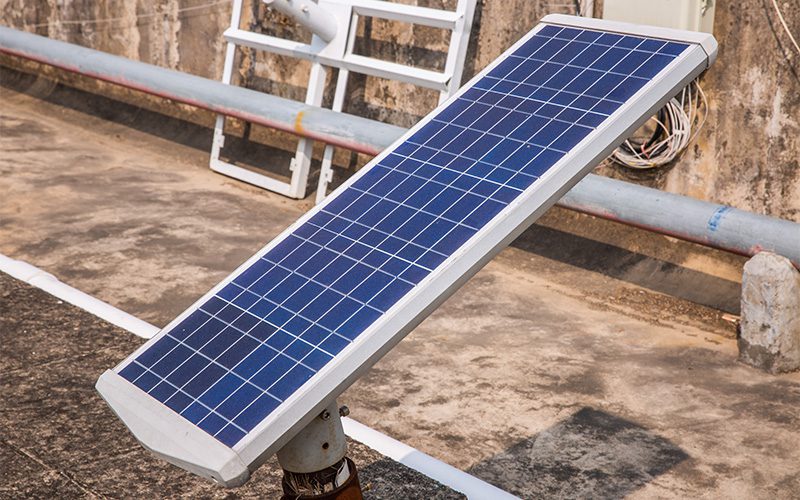
best selling solar street light

So what are the advantages of LUXMAN S3 Series best selling Solar Street Light?

Easy to install

Luxman S3 Series Best Selling  Solar Street Light 100% solar-powered, stand-alone design, No wiring, and easy to install within a few minutes.

S3 Series integrated solar street lights adopted all-aluminum design with special powder paint pray surface treatment, it can be installed near the seaside or salty air places.

The adjustable mount type allows more flexible installation according to Latitude and longitude.

solar street light mounting base

Easy to control

Features Intelligent Power Management System which offers auto power compensation to optimize the light’s overall performance during critical weather conditions and at different geographic locations.

Three lighting modes are optional:

1. Motion sensing mode, i.e. 100% lighting when there is a person, 30% lighting after 30 seconds;

2. Timing mode: 1 h 70% + 2 h 100% + 2 h 50% + 7 h 30%;

3. Timing control and sensing hybrid mode: the first 5 hours time control, the last 7 hours sensing mode.

Users can choose the working mode, operation time per night, and brightness by remote.

solar street light controller

Three LED indicators show real status of key components


Indicators PhenomenonResult


Blue indicators

Flashing It indicates the solar panel is working(battery is being charged).
ON without flashingIt indicates that the battery is fully charged.
Green indicatorsFlashingIt indicates that the battery power is not enough and needs to be changed urgently.
ON without flashingIt indicates that the battery power is working well.
RED indicators it indicates that the LED lamp is working, otherwise, the LED lamp is not working.


Easy to maintain

Sensor and controller module replacement

Modular design can be easily replaced by removing the corresponding screws.

Battery replacement

Pull out design, pull out the battery box, and then remove the corresponding screws to replace it.

best selling solar street lights


Related article:

https://luxmanlight.com/how-to-choose-batteries-for-your-solar-street-light-project/

Please contact us through the form below. Thanks!

1 + 3 = ?

Integrated-Solar-Street-Light

How to Maintain All In One Solar Street Lights

Generally speaking, all in one solar street lights do not need much maintenance after being installed, because all in one solar street lights is a very mature technology. But the operation/working environment has a great impact on outdoor solar lighting, Different installation site needs different maintenance accordingly. For example, in Africa, we should consider not only high temperature but also dust. Then we analyze some common maintenance problems from the following aspects:

  • The influence of dust

The influence of dust is mainly directly can be seen on the solar panels, because the dust will mainly affect the solar panels’ absorption of sunlight radiation, thus affecting the solar panels’ power generation efficiency. Normally, daily regular cleaning is no need because rainwater washes away the dust attached to solar panels on rainy days, but in some particularly arid environments or regions, rainwater is very few. Users can clean the solar panels regularly according to the actual situation, such as once a quarter, or once a year, depending on the rain and dust conditions of the installation site.

self-cleaning solar street light

  • Snow and its shelters

In some countries, winter snowfalls very long and heavy, or some lamps are installed near tall trees. Snow, leaves and bird droppings may be attached to solar panels. When there is a decrease in power generation efficiency, such as a decrease in the number of continuous rainy days or a shorter light-on time, which reminders they need to be cleaned up. Look at these shields.


  • Battery Maintenance

Usually, do not need to do special maintenance or replace batteries during the service life if they use high-quality & reliable batteries. According to our previous experience, LED light source and solar panel generally do not need to be maintained after the service lifetime, but the performance of the battery may decline after five years, so if the service lifetime exceeds, the lamp is still working, but the number of continuous rainy days has decreased significantly, we can consider replacing the battery for adding another life cycle.


  • Salt Corrosion

If the lamp is installed near the seashore or in places of heavy corrosion with high salt fog, the installation bracket should be inspected regularly. We suggest that the installation bracket be inspected once a year, depending on the actual situation of the installation site. Normally, no additional maintenance is required.


Generally speaking, integrated solar street lamps require little maintenance unless they are installed in harsh environments.


solar street light project

What Is Solar Powered Street Lights?-LUXMAN Light

With global warming, green energy has become a trend. Solar-powered street lights with 100% green energy come into being, so what is solar-powered street lights? Solar street lamps are mainly composed of solar panels, controllers, LED light sources and batteries.
During the day, solar panels absorb energy from the sun and convert it into power, which is stored in solar batteries by the controller, and provide lighting power for an LED light source at night. This is the working principle of solar street lamps work.

solar-powered-street-lights

Solar Street Light Advantages:

* Installation anywhere

* Maintenance-free

* No underground or overhead service

* No electricity bill

* Different styles available

* Mobile phone remote control


This article is originally created by LUXMAN LIGHT. Do not reprint it without permission.

Recent updates:

<>How long do solar-powered street light last-LUXMAN Light

<>5 Kinds of Solar Street Light Applications


For more information about green energy, lighting knowledge, please visit:

www.luxmanlight.com